In today’s digital era, one cannot ignore the significance of display modules in various industries. One such module that has gained immense popularity is the uart lcd module. This article aims to shed light on the functionalities and limitations of this technology while exploring its applications in Nevada.
The Functionality of UART LCD Module
The UART (Universal Asynchronous Receiver-Transmitter) LCD module serves as a communication interface between microcontrollers and liquid crystal displays (LCDs). It allows for seamless data transfer, enabling efficient control and manipulation of graphical content displayed on an LCD screen.
This module acts as a bridge between complex electronic systems and user-friendly visual outputs. By utilizing serial communication protocols, it simplifies the process of transmitting data from microcontrollers to display screens.
Applications in Nevada
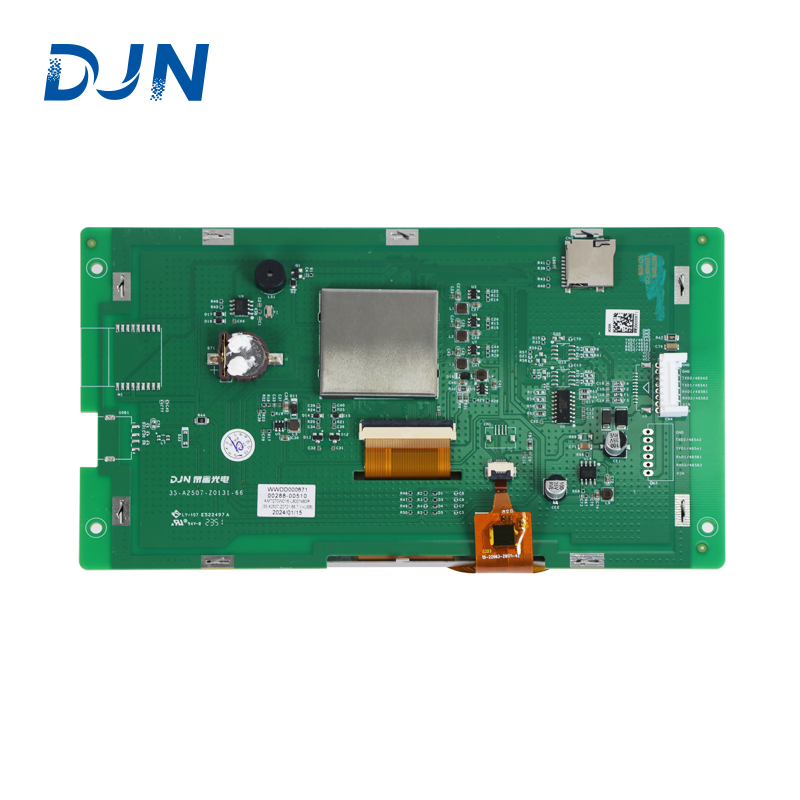
Nevada, known for its thriving industrial sector, has embraced the use of UART LCD modules across various domains. These modules find extensive application in sectors like manufacturing, automation, transportation, and healthcare.
In manufacturing industries, these modules are utilized to monitor production lines by displaying real-time information about machine performance or inventory levels. They also aid in controlling automated processes efficiently.
Within transportation systems such as railways or airports located in Nevada’s bustling cities like Las Vegas or Reno, these modules provide crucial information regarding schedules or arrivals/departures at terminals through clear visual displays.
Hospitals and medical facilities within Nevada have integrated UART LCD modules into their equipment to showcase vital signs monitoring data or patient information with utmost accuracy and clarity. This ensures prompt decision-making by healthcare professionals during critical situations.
The Potential Drawbacks: Industrial LCD Display
While UART LCD modules offer numerous advantages, it is essential to acknowledge their limitations. One such drawback lies in the industrial lcd display aspect of these modules.
Industrial environments often expose electronic devices to harsh conditions like extreme temperatures, humidity, or vibrations. These factors can negatively impact the performance and longevity of LCD displays integrated with UART modules.
To mitigate this issue, manufacturers have developed industrial-grade LCD displays that are specifically designed to withstand challenging environmental conditions. These ruggedized displays ensure reliable operation even in demanding settings.
The Versatility: Graphic LCD Module
In addition to UART LCD modules, graphic lcd modules provide an alternative solution for displaying complex graphical content. Unlike traditional alphanumeric characters displayed by UART modules, graphic LCDs offer the ability to showcase images and icons.
These versatile modules find applications in gaming consoles, handheld devices, or any scenario where visual representation plays a crucial role. They allow for enhanced user experience through visually appealing interfaces and interactive elements.
Conclusion
The utilization of UART LCD module technology has revolutionized various industries within Nevada by providing efficient communication between microcontrollers and display screens. From manufacturing plants to healthcare facilities and transportation systems, these modules have become indispensable tools for data visualization and control purposes.
While challenges exist regarding the durability of industrial-grade displays integrated with UART technology in harsh environments, advancements continue to address these concerns effectively. Furthermore, the availability of graphic LCD module options further expands possibilities for creative visual representations across different sectors.
0 Comments